Everything About Mississauga Roofing Services
Quality Roofing Services: Complete Installation, Repair, Replacement, and Maintenance
Professional roofing services are vital to upholding the safety and integrity of a home. Correct installation, quick repairs, and well-planned replacements can substantially prolong a roof's lifespan. Homeowners often overlook the importance of regular maintenance, which can stop pricey complications down the line. Understanding the nuances of roofing solutions can assist homeowners. Nevertheless, many are uncertain about how to choose the right approach for their specific needs.
Significance of a Professional Roof Installation
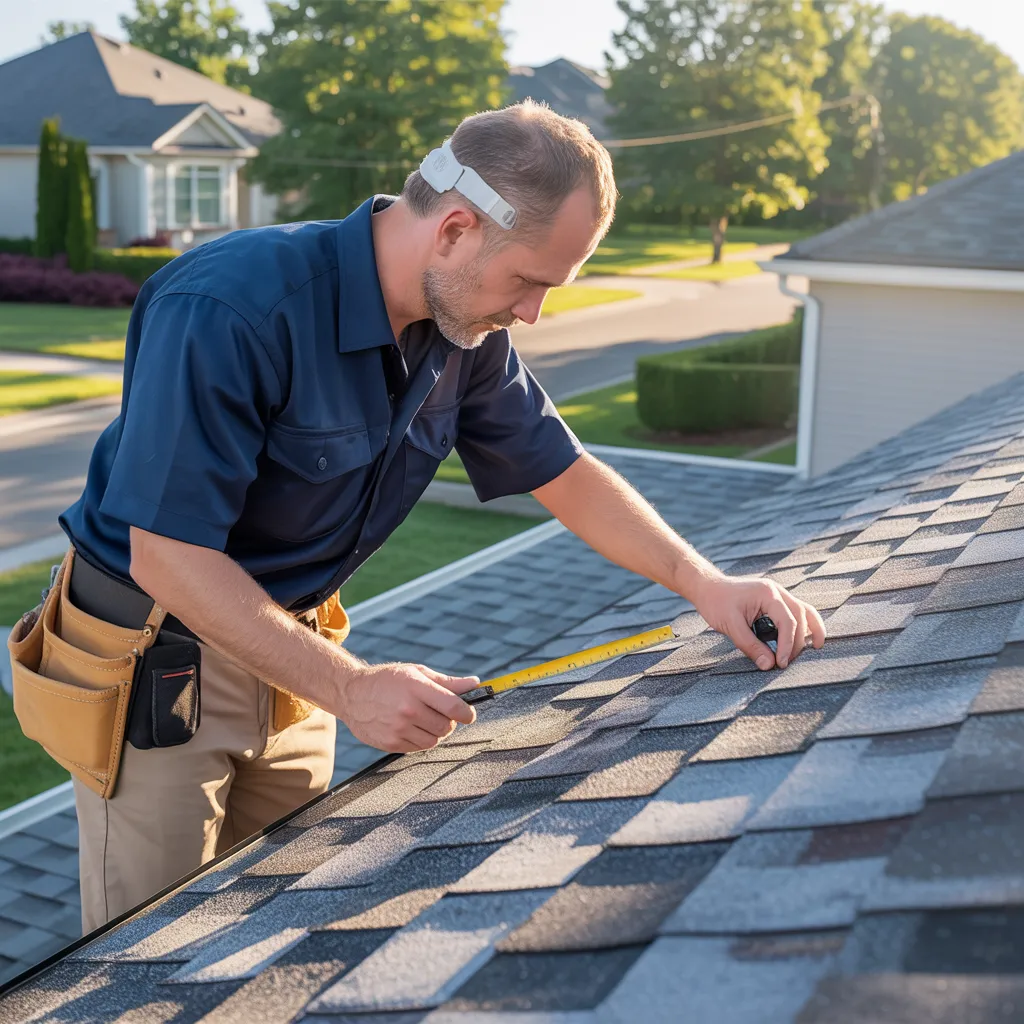
A correctly installed roof functions as the first line of defense against the elements, making the importance of quality roof installation crucial. A roof protects not only the structural integrity of a building but also the well-being and security of its occupants. Inadequate installation can lead to mold growth, leaks, and water damage, which can weaken the building's foundation and lead to significant repair costs. Additionally, a quality roof enhances energy efficiency by providing adequate insulation, decreasing heating and cooling costs. It enhances the overall aesthetic appeal and market value of the property, making it a smart investment. Furthermore, a professionally installed roof complies with local building codes and standards, providing safety and reliability. Homeowners should prioritize hiring skilled roofing contractors who understand the nuances of various roofing materials and techniques, as this can significantly impact the performance and longevity of the roof. Finally, a sound installation establishes the foundation for long-term protection and peace of mind.
Common Roof Repairs with their Solutions
Several roofing concerns can occur over time, demanding timely repairs to preserve the integrity of a home. Common troubles include leaks, missing or damaged shingles, and sagging roofs. Leaks typically result from worn-out flashing or compromised shingles, calling for immediate attention to avert water damage. Homeowners may need to replace missing shingles or repair damaged ones to guarantee a watertight seal.
Another typical concern is the accumulation of debris in gutters, which can cause water pooling and subsequent roof damage. Consistent cleaning and upkeep can prevent this key information problem. Additionally, sagging roofs can suggest structural problems, requiring a professional evaluation to establish the underlying cause and appropriate solution.
Finally, dealing with these frequent roofing repairs swiftly not only protects the home's structural integrity but also increases the durability of the roof, giving peace of mind to homeowners.
When to Think About a Roof Replacement
What signs indicate a homeowner should replace their roof? Various factors can indicate when roof replacement is necessary. Primarily, the age of the roof matters considerably; the average roof lasts between 20 to 30 years depending on construction materials. When a roof nears or surpasses this age range, homeowners should think about replacement.
In addition, visible damage such as buckling, absent shingles, or significant granule loss points to deterioration. Homeowners should also check for water leaks or water stains within the residence, as these may reveal hidden problems.
One more consideration is the roof's structural integrity; warped or unlevel areas might signal serious problems that necessitate a complete replacement. Furthermore, if repairs grow frequent and costly, investing in a new roof might be more cost-effective in the long run.
Eventually, consulting with a professional can offer clarity on whether a roof replacement is necessary for guaranteeing safety and protection.
Regular Maintenance Practices for Lasting Performance
While many homeowners may overlook their roofs until problems arise, regular maintenance practices are vital for prolonging the lifespan of a roof. Inspections should be conducted at least twice a year, emphasizing the discovery of potential concerns including lost shingles, splits, or evidence of water intrusion. Eliminating debris, like fallen leaves and twigs, from the roof and gutter system avoids water accumulation, which might trigger leaking and structural breakdown. In addition, tackling small problems swiftly can prevent substantial deterioration and costly fixes ahead. Homeowners ought to also inspect for sufficient ventilation, as improper ventilation might trigger heat collection and condensation, weakening the roof's structural soundness. Finally, scheduling professional evaluations can provide a thorough assessment and expert recommendations tailored to the specific roofing system. Following these routine upkeep procedures ensures a roofing system stays in optimal state, defending the dwelling from natural elements and boosting its overall market value.
Choosing the Best Roofing Materials for Your House
In selecting roofing materials, homeowners need to consider multiple factors such as climate, budget, and aesthetic preferences to ensure a durable and visually appealing choice. Different materials deliver distinct advantages; for example, asphalt shingles are economical and suitable for different climates, while metal roofing offers extended lifespan and energy efficiency.
In regions prone to harsh weather, slate or tile might be chosen for their strong characteristics and opposition to extreme conditions. Additionally, the architectural style of the home should guide roofing material decisions; traditional homes often work well with wood shakes or shingles, while modern designs may prefer metal or flat roofing options.
Financial limitations additionally serve a crucial function, as certain materials demand higher upfront costs but could provide savings in upkeep and utility costs over time. In the end, a thoughtful approach to choosing materials secures that homeowners attain a balance between utility and design attractiveness.
Frequently Asked Questions
What's the Typical Timeframe for a Roof Installation?
A standard roof installation generally takes between one and three days, depending on the roofing area, complexity, and weather conditions. Factors such as the material type and crew experience also impact the total duration.
What Roofing Service Warranties Are Available?
Warranties for roofing services usually consist of warranty coverage for materials lasting from two to five decades, and workmanship warranties, ranging from one to ten years. Coverage terms and timeframes vary by the contractor and the materials utilized.
Is It Possible to Install a New Roof Over My Current One?
Indeed, it is possible to install a new roof over an existing one, as long as local building codes permit it and the structure can bear the additional weight. Nevertheless, thorough assessment and preparation are essential for long-term durability.
What Are the Signs of a Roof That Needs Repair?
Signs that your roof needs repair include damaged or absent shingles, roof leaks, sagging areas, water stains on ceilings, significant granule accumulation in gutters, and mold or mildew that is visible. Timely attention can avoid more damage.
How Do Weather Conditions Affect Roofing Projects?
Weather conditions greatly impact roofing projects. Rainy weather halts installation work, while excessive heat or cold can influence the integrity of materials. High wind speeds present safety concerns, and accumulated snowfall can obstruct advancement, demanding careful planning and timing for proper implementation.